MycoZenithBuilt on Evidence
ScienceCordycepsATPMitochondriaEnergy
ATP Synthesis and Cordyceps: The Mitochondrial Connection


Every movement, every thought, every cellular process in the body runs on ATP — adenosine triphosphate. The mitochondria are the organelles responsible for producing it, primarily through a process called oxidative phosphorylation. When mitochondrial efficiency declines, energy output drops — and that decline manifests as fatigue, reduced performance, and sluggish recovery.
The Electron Transport Chain
Oxidative phosphorylation occurs across a series of protein complexes embedded in the inner mitochondrial membrane, known collectively as the electron transport chain (ETC). Electrons derived from metabolised fats and carbohydrates cascade through Complexes I–IV, driving hydrogen ions across the membrane and ultimately powering ATP synthase — the molecular motor that produces ATP.
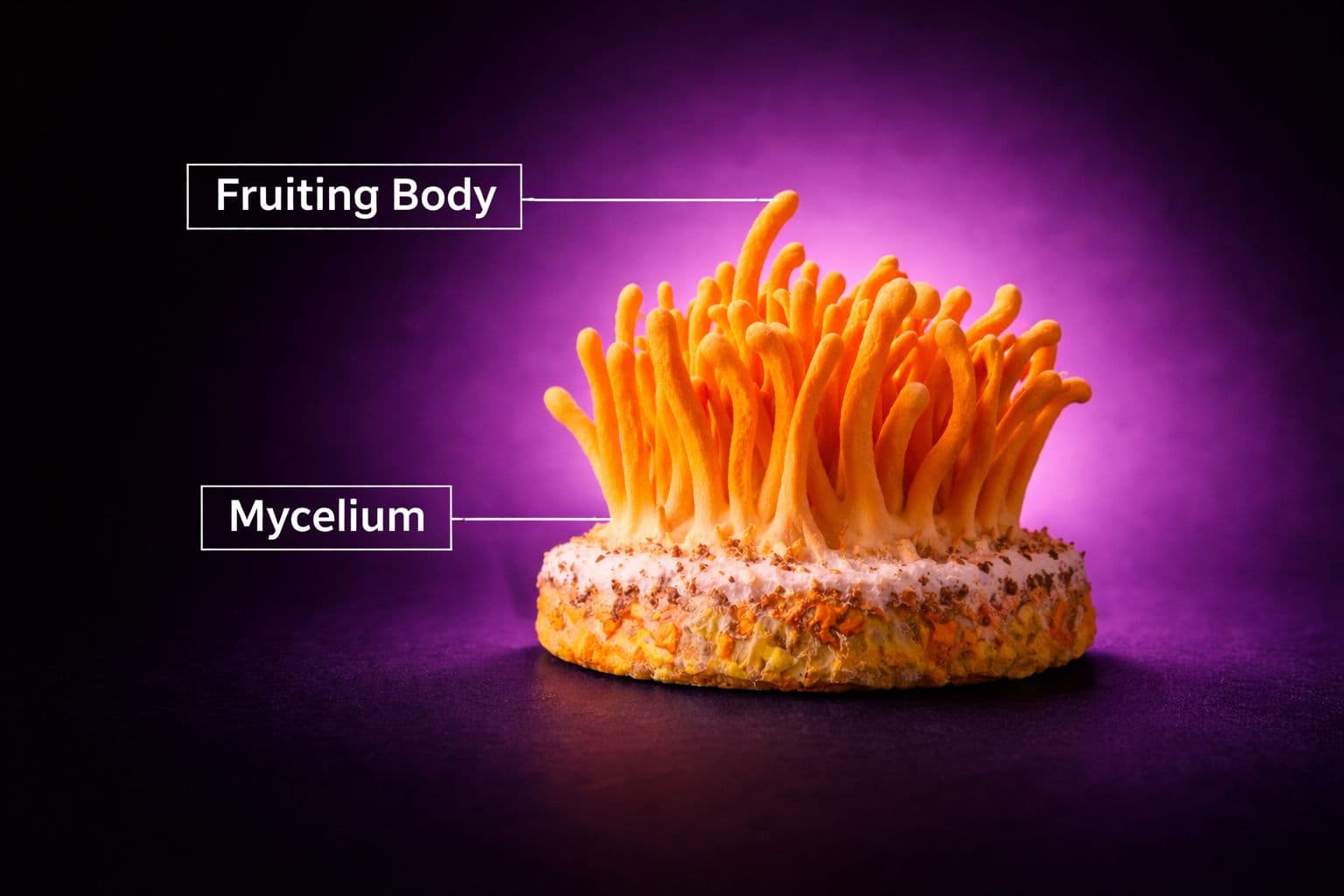
Cordycepin, the primary bioactive in Cordyceps militaris, activates AMPK — which in turn upregulates PGC-1α, the master transcription factor for mitochondrial biogenesis and ETC enzyme production. The practical outcome: more mitochondria, more ETC complexes, more ATP per unit of substrate.

Energy + Endurance
Shop Now Cordyceps
₹2,599
Beyond Athletic Performance
While much of the Cordyceps research is framed in athletic terms, mitochondrial efficiency matters for everyone. Cognitive performance, immune function, hormonal regulation, and basic cellular maintenance all depend on adequate ATP supply. Age-related mitochondrial decline is now considered a central driver of the broad deterioration associated with ageing — making mitochondrial support a longevity intervention, not just a sports supplement.
- Cordycepin activates AMPK → PGC-1α signalling cascade
- PGC-1α upregulates mitochondrial biogenesis genes
- New mitochondria increase total ETC capacity
- Improved lactate clearance reduces fatigue at threshold
- Enhanced fat oxidation preserves glycogen during prolonged effort
The evidence base for Cordyceps as a mitochondrial support agent continues to grow. Whether the goal is athletic performance, cognitive clarity, or long-term metabolic health, the mechanism is the same: more efficient energy production at the cellular level.
References
- [1]Cheng et al., 2019 — Cordycepin upregulates mitochondrial oxidative phosphorylation complex subunit expression via AMPK/PGC-1α signalling.
- [2]Earnest et al., 2004 — Effects of a commercial herbal-based formula on exercise performance in cyclists.
- [3]López-Otín et al., 2023 — Hallmarks of aging: an expanding universe.
Dr. Ravi Sharma
Head of Research, MycoZenith
Mycologist and functional nutrition researcher with 12 years of clinical experience in adaptogenic compounds and evidence-based supplementation protocols.
Keep reading
More articles


Newsletter
Stay ahead of performance science
New research, product launches, and optimisation guides — straight to your inbox.
Comments (0)
Sign in to join the conversation.