MycoZenithBuilt on Evidence
PerformanceLion's ManeSleepMemoryRecovery
Sleep Architecture and Neurogenesis: The Overnight Role of Lion's Mane


Sleep is not a passive state. During slow-wave sleep (SWS) and REM, the brain is engaged in some of its most metabolically active work: consolidating long-term memory, clearing amyloid-beta and other metabolic waste via the glymphatic system, and — crucially — synthesising the neurotrophic proteins that support neural repair and growth.
NGF Synthesis During Sleep
Research suggests that NGF synthesis peaks during sleep, particularly during the slow-wave phases. This makes intuitive sense: NGF-driven processes like synaptic remodelling and axonal growth require the metabolic resources and relative inactivity that sleep provides. Lion's Mane, by upregulating NGF precursor expression, may amplify what the brain is already trying to do during sleep.
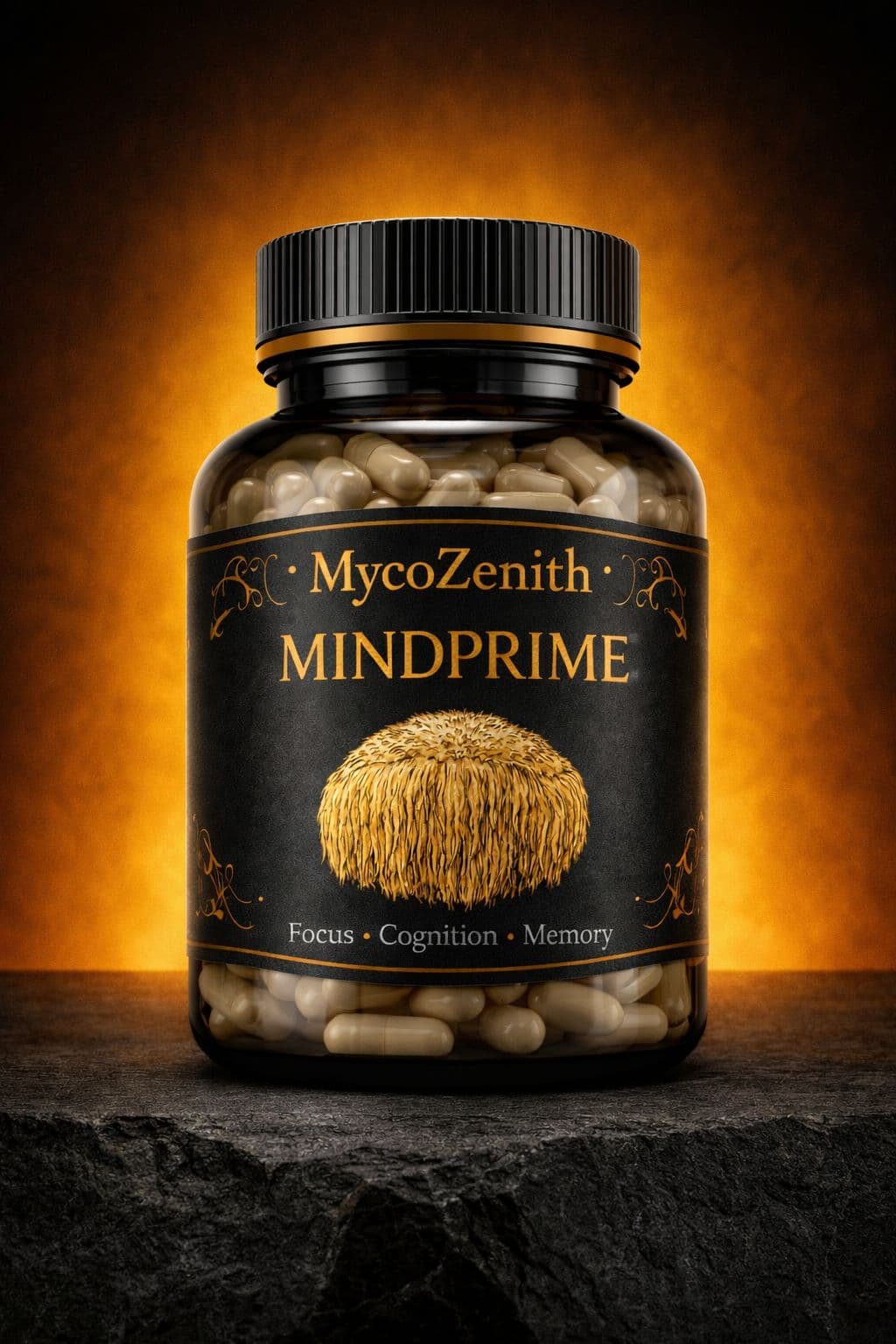
Cognitive Focus
Shop Now Lion's Mane
₹1,599
Evening supplementation with Lion's Mane — taken 1–2 hours before bed — may therefore provide a synergistic benefit: NGF precursors are elevated in the bloodstream precisely when the brain's overnight repair processes are operating at peak efficiency. The anecdotal evidence of improved sleep quality and enhanced memory consolidation reported by many users is consistent with this mechanism.
The Reishi Stack
For those whose sleep quality is compromised by stress, combining Lion's Mane with Reishi in the evening creates a complementary protocol: Reishi's cortisol-modulating effect lowers the stress arousal that disrupts sleep architecture, while Lion's Mane provides the NGF substrate for the brain to maximise its overnight repair window.
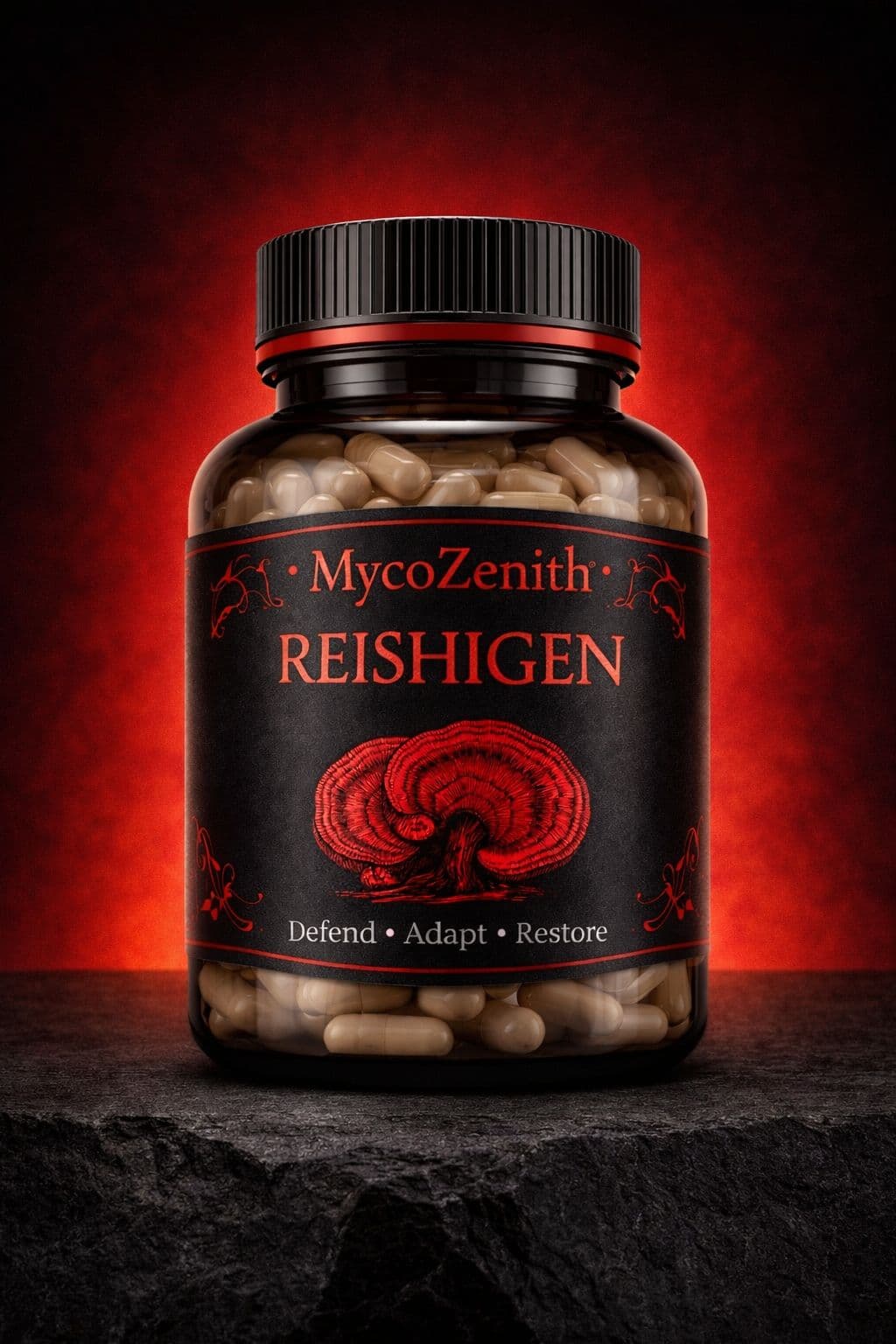
Stress + Immunity
Shop Now Reishi
₹1,199
References
- [1]Tononi & Cirelli, 2014 — Sleep and the price of plasticity: from synaptic and cellular homeostasis to memory consolidation and integration.
- [2]Mori et al., 2011 — Effects of Hericium erinaceus on amyloid β(25-35) peptide-induced learning and memory deficits in mice.
- [3]Spruston, 2008 — Pyramidal neurons: dendritic structure and synaptic integration.
Dr. Ravi Sharma
Head of Research, MycoZenith
Mycologist and functional nutrition researcher with 12 years of clinical experience in adaptogenic compounds and evidence-based supplementation protocols.
Keep reading
More articles

Newsletter
Stay ahead of performance science
New research, product launches, and optimisation guides — straight to your inbox.
Comments (0)
Sign in to join the conversation.